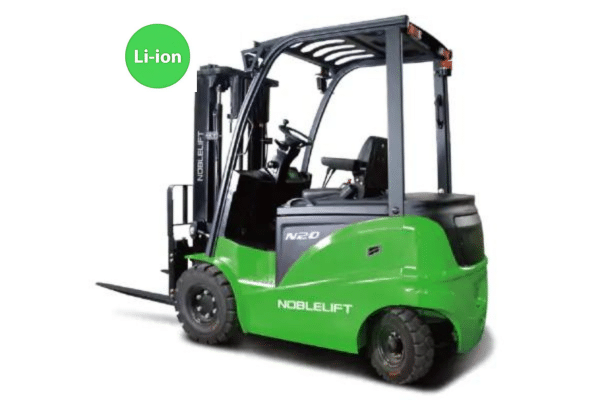
Lithium-ion (LiON) batteries have revolutionized the way we power industrial equipment. They offer superior performance, longer lifespans, and faster charging times compared to traditional lead-acid batteries. However, unlike their lead-acid counterparts, LiON batteries require specific care and handling to ensure optimal performance and longevity.
One critical aspect of LiON battery care is adhering to the manufacturer’s charging guidelines. While these guidelines may seem like technical jargon, understanding and following them is crucial for maximizing battery life, preventing damage, and ensuring the safety of your equipment.
This article will delve into the essential guidelines for charging LiON batteries effectively. We’ll explore key factors influencing charging practices, best practices to optimize your LiON battery’s lifespan, and common mistakes to avoid.
Essential Guidelines for LiON Battery Charging:
1. Consult the Manufacturer’s Instructions:
The foundation for proper LiON battery charging lies in the manufacturer’s instructions. These guidelines detail the specific requirements for your battery model, including:
- Compatible Chargers: Ensure you’re using a charger specifically designed for your LiON battery type and voltage. Using an incompatible charger can damage the battery and pose safety risks.
- Charging Voltage and Current: LiON batteries require specific voltage and current levels for optimal charging. Following these specifications ensures proper charging without overcharging or undercharging the battery, both of which can be detrimental.
- Temperature Considerations: LiON batteries perform best within a specific temperature range. The manufacturer’s instructions will outline the ideal charging temperature for your battery. Avoid charging LiON batteries in excessively hot or cold environments.
- Storage Recommendations: While LiON batteries offer significant storage advantages over lead-acid batteries, proper storage practices are still crucial. Manufacturer instructions may specify optimal storage charge levels for extended periods.
2. Prioritize the Optimal Charging Environment:
The environment in which you charge your LiON battery plays a crucial role in its lifespan. Here are some key factors to consider:
- Temperature Control: Strive to maintain the recommended temperature range during charging as outlined by the manufacturer.
- Excessive heat: High temperatures can accelerate battery degradation and reduce lifespan. Avoid charging LiON batteries in direct sunlight or near heat sources.
- Extreme cold: Charging at temperatures below the manufacturer’s recommended range can hinder charging efficiency and reduce battery capacity.
- Ventilation: Ensure proper ventilation around the battery and charger during the charging process. This allows heat to dissipate effectively, preventing overheating.
- Surface Conditions: Avoid charging LiON batteries on flammable or conductive surfaces. Choose a clean, dry, and non-combustible surface for safe and efficient charging.
- Temperature Control: Strive to maintain the recommended temperature range during charging as outlined by the manufacturer.
3. Implement Safe Charging Practices:
Safety is paramount when handling LiON batteries. Here are some essential practices to ensure a safe charging experience:
- Visual Inspection: Before charging, inspect the battery and charger for any visible damage, such as cracks, leaks, or loose connections. Damaged batteries or chargers should never be used.
- Safety Equipment: It’s advisable to wear safety glasses and gloves when handling LiON batteries, especially for industrial applications.
- Emergency Preparedness: Have a fire extinguisher readily available in the vicinity of the charging area. LiON batteries, though rare, can experience thermal runaway in the event of a malfunction.
- Unplug When Unattended: Never leave a LiON battery unattended while charging. Unplug it once the charging cycle is complete. This helps prevent potential overheating or electrical issues.
4. Embrace Opportunity Charging:
Opportunity charging refers to the practice of charging LiON batteries for short periods throughout the workday rather than waiting for a complete discharge. This strategy offers several benefits:
- Reduced Stress on Battery: Frequent, shorter charging cycles put less stress on the battery compared to deep discharges and full recharges.
- Extended Battery Life: Opportunity charging promotes a more consistent charge level, reducing the strain on the battery cells and extending overall lifespan.
- Improved Operational Efficiency: By keeping the battery partially charged throughout the day, you can maintain equipment performance and avoid downtime associated with full battery depletion.
5. Monitor Battery Health:
Regularly monitoring your LiON battery’s health is essential for proactive maintenance and early detection of potential issues. Here are some key aspects to monitor:
- Battery Management System (BMS): Modern LiON batteries often incorporate a BMS. This system tracks battery health parameters like voltage, current, and temperature. Monitor the BMS data to identify any abnormalities.
- Charge and Discharge Cycles: Track the number of charge and discharge cycles your battery has undergone. Consult the manufacturer’s specifications to understand the expected lifespan and identify when replacement might be necessary.
- Performance Indicators: Pay attention to any noticeable decrease in battery performance, such as reduced runtime or slower charging times. These changes could indicate battery degradation or other underlying issues.
FAQ
Conclusion:
Adhering to manufacturers’ charging guidelines is paramount for ensuring the optimal performance, safety, and longevity of your LiON batteries. By following the recommendations outlined in this article, you can maximize your battery’s lifespan, reduce downtime, and enhance the overall efficiency of your equipment.
For expert advice on LiON battery care and charging practices, contact Liftway today:
Contact Liftway today!
- Name: Liftway
- Address: 479 Brant County Rd 18, Brantford, ON. Canada N3S 0H4
- Phone: (519) 759-5590
- Email: sales@liftway.ca
- Visit our website at Liftway.ca
Powering Your Operations, Protecting Your Investment