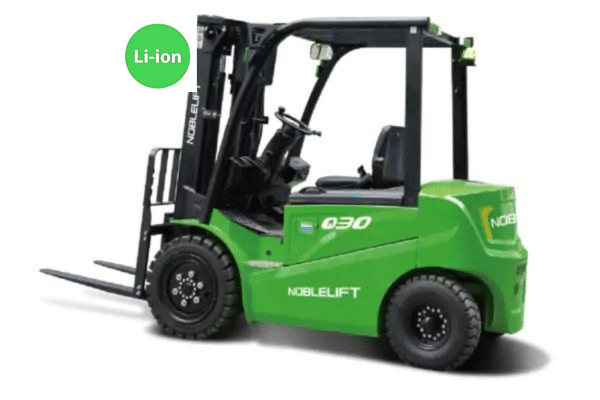
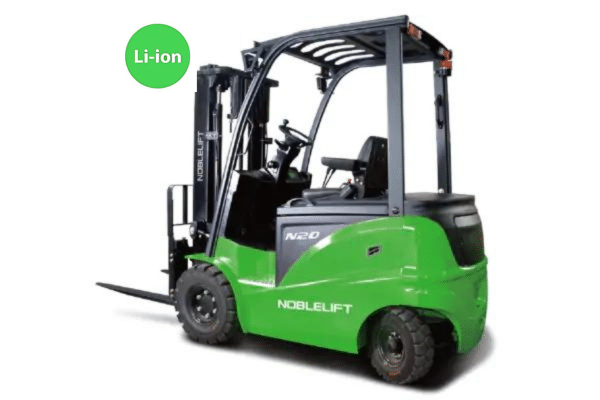
In the bustling aisles of modern warehouses, electric forklifts are emerging as champions of operational efficiency, sustainability, and safety. These innovative machines are driving a revolution in warehouse operations as businesses strive to meet the growing demands of a fast-paced, environmentally conscious economy. The electrification of forklift fleets is not just a trend; it’s a strategic shift that can yield tangible benefits for companies looking to optimize their supply chain infrastructure.
Introduction:
As the world leans into a green industrial revolution, warehouse operations are not left behind. The introduction of Lithium-ION electric forklifts into the logistics sector has become a crucial pivot point for improving productivity while reducing carbon footprints. These vehicles offer numerous advantages over their internal combustion counterparts, including lower operating costs, reduced noise levels, and a significant decrease in emissions. This article delves into the transformative impact electric forklifts can have on warehouse operations, outlining ten key areas in which they serve as catalysts for change and innovation.
- Enhanced Energy Efficiency: Electric forklifts are optimized for energy conservation, translating to long-term cost savings and a reduced environmental impact.
- Regenerative Braking Systems: These systems recapture energy during braking and feed it back into the battery, prolonging the operational time between charges.
- Efficient Battery Technology: Advancements in battery technology, such as lithium-ion, provide higher energy densities and faster charging times.
- Automated Shutdown: Electric forklifts can be programmed to power down when idle, conserving energy.
- Energy Monitoring: Operators can track energy usage and identify opportunities for additional efficiencies.
- Reduced Energy Costs: Electricity is generally cheaper than fossil fuels, lowering the cost of recharging compared to refuelling.
- Demand Response Programs: Participation in these programs can further lower energy expenses by charging during off-peak hours.
- Temperature Tolerance: Newer models operate more efficiently across a range of temperatures without significant performance degradation.
- Sustainability and Environment: The transition to electric forklifts aligns with eco-friendly practices and helps warehouses reduce their carbon footprint.
- Zero Emissions: Electric forklifts eliminate exhaust emissions, contributing to better air quality indoors and outdoors.
- Renewable Energy Integration: Charging forklift batteries with renewable energy sources furthers environmental benefits.
- Recyclable Components: Many electric forklift parts, including batteries, can be recycled at the end of their lifecycle.
- Reduced Noise Pollution: Operating quietly, they minimize acoustic pollution, creating a more pleasant work environment.
- Greener Image: Using electric forklifts can enhance a company’s reputation as a responsible environmental steward.
- Compliance with Regulations: They help companies meet increasingly stringent government regulations on emissions.
- Healthier Work Environment: Improved air quality is beneficial for warehouse employees’ health, potentially reducing sick days and healthcare costs.
- Increased Productivity: Electric forklifts are designed to boost productivity with features that streamline workflows and reduce downtime.
- Quick Acceleration and Maneuverability: Enables efficient navigation through tight warehouse spaces.
- Consistent Power Delivery: Unlike combustion engines, electric models maintain consistent performance throughout their charge.
- Reduced Maintenance: Fewer moving parts mean less wear and less frequent maintenance requirements.
- Opportunity Charging: Allows forklifts to be topped up during breaks, maintaining high availability.
- Easy Operation: Simplified controls can improve operator comfort and reduce fatigue.
- Less Noise Distraction: Quieter operation can improve communication and concentration.
- Better Indoor/Outdoor Flexibility: Electric forklifts are well-suited for both environments, eliminating the need for specialized equipment.
- Cost-Effectiveness: Beyond the initial investment, electric forklifts can offer significant cost savings over their lifetime.
- Lower Fuel Costs: The cost of electricity is generally lower and more stable than gasoline or diesel.
- Reduced Maintenance and Repairs: Fewer mechanical issues lead to lower repair bills and maintenance costs.
- Extended Equipment Lifespan: Electric motors experience less wear and tear than internal combustion engines.
- Government Incentives: Tax credits and rebates can reduce the acquisition costs.
- Resale Value: Electric forklifts may retain higher resale values due to their longevity and demand.
- Energy-Efficient Upgrades: Retrofitting existing forklifts with more efficient components can be cost-effective.
- Predictable Operating Expenses: Stable electricity prices make budgeting for operational costs more reliable.
- Safety Enhancements: Electric forklifts come with features that promote a safer work environment, which is critical in high-traffic warehouses.
- Reduced Fire Risk: No flammable fuels on board lowers the likelihood of fires.
- Better Visibility: The absence of a bulky internal combustion engine can improve sightlines.
- Lower Center of Gravity: This can lead to increased stability and reduced tipping incidents.
- Automatic Cut-off Features: Prevent accidents due to operator error or mechanical failure.
- Enhanced Control Systems: Provide precision handling that can prevent collisions and product damage.
- Clear Communication: Lower noise levels make verbal communication clearer in the warehouse space.
- Health Benefits: Less exposure to harmful emissions can reduce the risk of respiratory problems for workers.
- Technological Integration: Today’s electric forklifts are equipped with state-of-the-art technology that integrates seamlessly with digital warehouse systems.
- Telemetry Systems: These enable real-time tracking of forklift performance and maintenance needs.
- Automated Guided Vehicles (AGV) Capability: Electric forklifts can be fitted for autonomous operations within the warehouse.
- Battery Management Systems: Optimize battery life and ensure consistent performance.
- Integrated Diagnostics: Allow for quick troubleshooting and reduce equipment downtime.
- Fleet Management Software: Ensures optimal deployment of forklift resources throughout the warehouse.
- Smart Charging Infrastructure: This can be integrated with warehouse energy systems for efficiency and sustainability.
- IoT Connectivity: Connecting forklifts to the Internet of Things enables data exchange and predictive analytics.
- Worker Satisfaction and Retention: The benefits of electric forklifts extend to the workforce, fostering a more content and loyal team.
- Ergonomic Design: Reduces physical strain and the risk of workplace injuries.
- Improved Working Conditions: Cleaner air and lower noise levels contribute to a better work atmosphere.
- Ease of Use: Electric forklifts tend to have simpler operating mechanisms that can reduce training time.
- Workforce Pride: Employees value working for companies that invest in modern, eco-friendly equipment.
- Lower Turnover: Satisfactory working conditions can lead to higher retention rates.
- Career Development: Training on high-tech equipment can enhance workers’ skills and career prospects.
- Employee Health: Fewer pollutants and a cleaner working environment can lead to better overall health.
- Space Optimization: Electric forklifts’ compact design and maneuverability can be leveraged for more efficient space utilization in warehouses.
- Smaller Footprint: Allows for narrower aisles and more storage space.
- Improved Storage Density: A tighter turning radius enables closer rack positioning.
- Vertical Space Utilization: Electric forklifts can be equipped with high-reach capabilities.
- Flexible Charging Stations: Charging areas can be strategically placed to save space.
- Modular Battery Swaps: Streamlined battery exchange processes avoid the need for large charging areas.
- Warehouse Layout Flexibility: Electric forklifts facilitate dynamic layouts with their versatile performance.
- Enhanced Dock-to-Stock Capabilities: Their quick maneuverability speeds up dock-to-stock operations.
- Brand Image and Customer Relations: Using electric forklifts can enhance a company’s brand image and appeal to eco-conscious consumers.
- Marketing Advantage: Promoting the use of green technology can attract customers who prioritize sustainability.
- Corporate Social Responsibility: Reflects a commitment to environmental and social governance goals.
- Consumer Trust: Demonstrates a dedication to reducing environmental impact.
- Industry Leadership: Positions a company as a forward-thinking leader in warehouse operations.
- Public Relations: Positive media coverage regarding sustainable practices can lead to wider recognition.
- Sustainability Reporting: Electric forklift usage contributes to favourable metrics in sustainability reports.
- Stakeholder Confidence: Investors are increasingly attracted to companies with sustainable operations.
- Regulatory Compliance and Future-Proofing: Investing in electric forklifts is a proactive step toward meeting current and future regulations, as well as preparing for industry shifts.
- Emission Standards: Staying ahead of tightening regulations on warehouse emissions.
- Government Mandates: Compliance with government mandates for electric vehicle use in commercial operations.
- Urban Operation: Electric forklifts are ideal for warehouses in urban areas with strict noise and pollution controls.
- Global Market Access: Meeting the environmental standards required in international markets.
- Incentive Eligibility: Taking advantage of government incentives for electric vehicle fleets.
- Scalability for Growth: Electric fleets can be scaled up efficiently as business needs expand.
- Adaptability to Change: The flexibility of electric forklifts prepares warehouses for evolving industry demands.
FAQ
Conclusion:
The revolution in warehouse operations spearheaded by the adoption of electric forklifts is undeniable. From energy efficiency and environmental sustainability to cost savings and improved safety, the benefits are comprehensive and compelling. As the logistics industry continues to expand and develop, electric forklifts stand out as smart investments that not only meet the current challenges but also pave the way for a more innovative and responsible future in material handling.
Revolutionize your warehouse operations today with the power of electric forklifts!
For more information or to explore our range of electric forklift solutions,
- Name: Liftway
- Address: 479 Brant County Rd 18, Brantford, ON. Canada N3S 0H4
- Phone: (519) 759-5590
- Email: sales@liftway.ca
- Website: Visit www.liftway.ca to learn more. Let’s power you business forward!
Don’t just keep up with the times—lead the way with Liftway.
“Elevate Your Efficiency, Electrify Your Fleet”