Streamline Your Supply Chain: The Future of Loading Docks Awaits in Chatham
Chatham, a hub for diverse industries, relies heavily on efficient logistics to keep its economy thriving. As e-commerce booms and manufacturing demands evolve, traditional loading docks need to adapt. Fortunately, the future of loading docks is brimming with innovative technologies and trends, poised to revolutionize the way Chatham businesses handle their goods.
This article explores how Chatham businesses across various sectors, from food processing to retail, can leverage these advancements to optimize their loading dock operations, enhance safety, and ultimately, gain a competitive edge.
Transforming the Chatham Landscape: Key Trends Shaping the Future of Loading Docks
Several key trends are shaping the future of loading docks in Chatham:
1. Embracing Automation for Enhanced Efficiency and Safety:
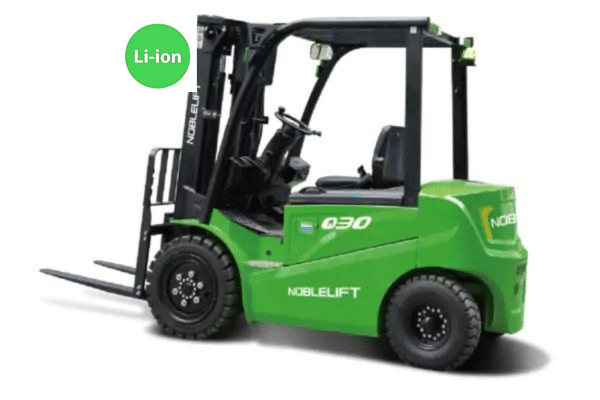
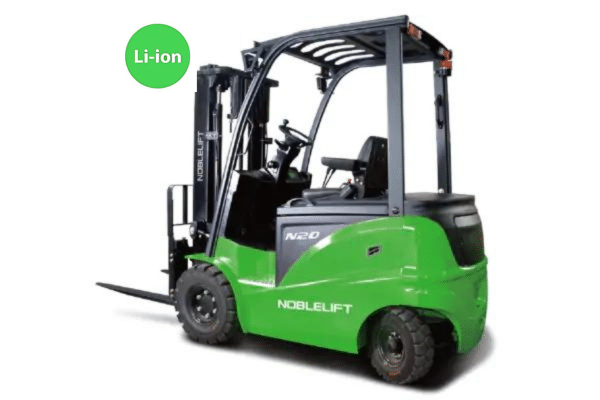
- Robotic Arms and Automated Guided Vehicles (AGVs): Imagine automated forklifts maneuvering pallets seamlessly, minimizing human error and maximizing speed. Robotics are transforming loading docks, particularly for repetitive tasks.
Benefits: Increased productivity, reduced worker fatigue and injuries, improved accuracy. - Automatic Dock Levelers: Gone are the days of manual adjustments. Automatic levelers raise and lower trailers electronically, ensuring a smooth transition between warehouse floor and truck bed.
Benefits: Faster loading/unloading times, reduced wear and tear on equipment, improved employee safety. - Dock Scheduling Software: Streamline the flow of trucks with dock scheduling software. This software optimizes dock usage, reduces congestion, and improves communication between warehouse and carriers.
Benefits: Improved truck turnaround times, reduced wait times, better operational visibility.
2. Prioritizing Worker Safety and Ergonomics:
- Advanced Fall Protection Systems: Traditional dock plates can pose slipping and falling hazards. Fall protection systems with integrated guardrails and self-closing gates ensure workers’ safety when accessing trailers.
Benefits: Reduced risk of falls and injuries, improved worker morale and well-being. - Ergonomic Workstations: Adjustable workstations that minimize lifting and bending movements promote worker health and comfort.
Benefits: Reduced fatigue and musculoskeletal injuries, increased worker productivity. - Safety Training Programs: Ongoing training on dock safety procedures, including proper dock plate use and personal protective equipment (PPE) protocols, is crucial.
Benefits: Improved safety awareness, reduced workplace accidents, fostering a culture of safety.
3. Optimizing for Sustainability:
- Dock Seals and Shelters: Environmentally friendly dock seals and shelters create a tight seal between the trailer and the warehouse building. This minimizes energy loss due to airflow exchange, reducing heating and cooling costs.
Benefits: Improved energy efficiency, reduced carbon footprint, lower operational costs. - LED Lighting Systems: Replace traditional dock lighting with energy-efficient LED systems.
Benefits: Reduced energy consumption, improved dock visibility, longer lifespan of lighting fixtures. - Sustainable Materials: Look for loading dock equipment constructed from recycled materials or with recyclable components.
Benefits: Environmentally responsible practices, reduced environmental impact, promoting a sustainable supply chain.
4. Data-Driven Optimization for Continuous Improvement:
- Dock Management Systems (DMS): These software platforms track dock activity, providing valuable data on loading and unloading times, trailer dwell times, and dock utilization.
Benefits: Identify bottlenecks and optimize dock operations, data-driven decision making for resource allocation, improved dock efficiency. - Predictive Maintenance: Leverage sensor technology for predictive maintenance, enabling proactive repair and servicing before equipment failures occur.
Benefits: Reduced downtime, minimized repair costs, increased equipment lifespan. - Inventory Management Integration: Integrate dock management systems with warehouse inventory management platforms to ensure smooth product flow and reduce congestion.
Benefits: Improved inventory visibility, optimized space utilization, faster order fulfillment.
5. Industry-Specific Solutions for Tailored Efficiency:
Manufacturing facilities might prioritize heavy-duty loading docks and specialized equipment for handling bulky materials. Conversely, food processing facilities might require temperature-controlled dock environments to maintain product quality. By understanding your industry’s unique needs, you can tailor your loading dock solutions for optimal performance.
FAQ
Conclusion:
The future of loading docks presents a world of exciting possibilities for Chatham businesses. By embracing automation, prioritizing worker safety, focusing on sustainability, and leveraging data-driven insights, companies can create a more efficient, safer, and environmentally conscious loading dock operation. This, in turn, translates to a more competitive edge, a stronger bottom line, and a more resilient supply chain for Chatham’s thriving industries.
Call to Action:
Are you ready to transform your loading dock operations in Chatham? Contact Liftway, your trusted partner for innovative loading dock solutions and ramps. Let our experts assess your specific needs and recommend tailored solutions that maximize efficiency, safety, and sustainability.
Contact Liftway today!
- Name: Liftway Chatham
- Address: 54 Siemens Dr. Chatham, ON. N7M 6M5
- Phone: (519) 354-1526
- Email: sales@liftway.ca
- Visit our website at Liftway.ca