Powering Efficiency with Every Lift
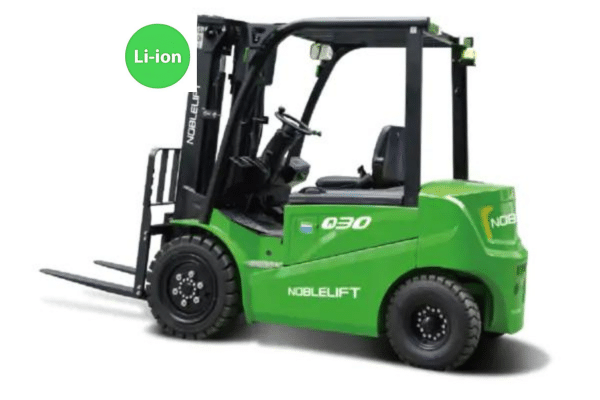
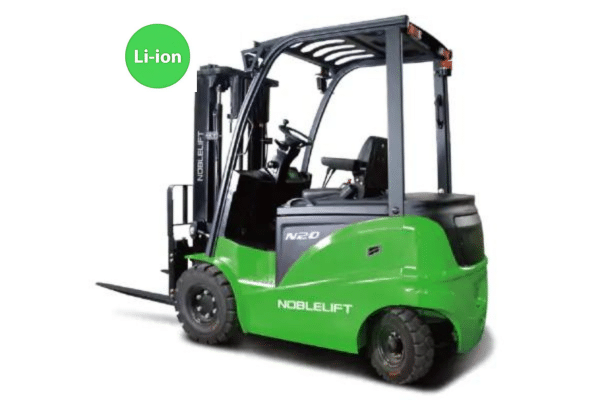
In the bustling industrial heart of Brantford, electric forklifts are the sturdy workhorses revolutionizing warehouse operations, manufacturing floors, and distribution centers. Keeping these tireless machines running at peak performance hinges on the heartbeat of their operation: the forklift battery. High-quality electric forklift batteries are not just about keeping the lights on; they empower businesses to optimize productivity, maintain operational efficiency, and achieve sustainability goals. This article delves into the vital aspects of top-performance electric forklift batteries in Brantford, guiding businesses in selecting and maintaining the power source that drives their daily operations.
- Understanding Battery Specifications: Selecting the right battery starts with understanding its specifications. The voltage, ampere-hour (Ah) rating, and physical size are critical to matching the battery with your forklift’s requirements.
- Ensure the voltage aligns with your forklift’s system.
- The Ah rating should meet or exceed your operational duty cycle.
- Verify that the battery dimensions fit your forklift’s battery compartment.
- Consider the weight of the battery if weight distribution is a concern.
- Check the type of terminals to ensure compatibility with your forklift.
- Understand the discharge rate to match your operational tempo.
- Look for batteries with a high cycle life to ensure long-term value.
- Embracing Technological Advancements: The battery industry has made leaps in innovation, resulting in more efficient and environmentally friendly options. Embrace technology that increases battery life and performance.
- Investigate lithium-ion options for faster charging and zero maintenance.
- Explore opportunity charging to keep batteries running longer.
- Research batteries with advanced Battery Management Systems (BMS).
- Consider gel or absorbed glass mat (AGM) batteries for spill-proof operations.
- Stay informed about new battery technologies entering the market.
- Look for high-energy-density batteries for longer run times.
- Evaluate the total cost of ownership, including longevity and efficiency gains.
- Prioritizing Safety and Compliance: Safety in the workplace is non-negotiable. Using certified and tested batteries ensures compliance with regulations and a safe environment for your staff.
- Confirm the battery meets local and national safety standards.
- Check that the battery is UL or CSA-certified.
- Ensure proper ventilation if required by the battery type.
- Provide training for employees on safe battery handling and swapping.
- Keep an updated Material Safety Data Sheet (MSDS) accessible.
- Regularly inspect batteries for signs of damage or wear.
- Establish a protocol for dealing with battery incidents.
- Utilizing Smart Charging Practices: Intelligent charging can extend battery life and reduce energy costs. Adopt charging practices that suit the specific needs of your operation.
- Charge batteries when they drop below 30% to prevent deep cycling.
- Avoid overcharging by using smart, automatic chargers.
- Use chargers that adapt to the battery’s condition and charge accordingly.
- Implement a charging schedule to avoid peak electricity rates.
- Ensure a complete charge cycle before extended periods of non-use.
- Rotate batteries efficiently if using a multi-battery system.
- Consider investing in energy-efficient chargers with a high power factor.
- Regular Maintenance Routines: A well-maintained battery can significantly outlast neglected ones. Establish a maintenance routine to maximize battery lifespan.
- Clean battery tops regularly to prevent voltage leaks.
- Check and top up water levels in lead-acid batteries if required.
- Inspect cables, connectors, and ports for signs of wear or corrosion.
- Schedule equalization charges to balance cell voltages periodically.
- Calibrate your Battery Management System if applicable.
- Keep a detailed maintenance log for each battery.
- Securely tighten all connections to ensure optimal performance.
- Monitoring Battery Health: Constant vigilance in monitoring battery health prevents unexpected downtimes and costly replacements.
- Utilize battery monitoring systems to track performance and health.
- Look for signs of reduced capacity or unusual discharge patterns.
- Replace batteries at the first sign of consistent underperformance.
- Use battery diagnostic tools to check cell conditions.
- Periodically measure specific gravity in lead-acid batteries.
- Train staff to recognize signs of battery deterioration.
- Keep a stock of spare batteries to prevent operational interruptions.
- Opting for Quality Brands: Choosing a reputable brand can be the difference between a battery that lasts and one that doesn’t. Invest in quality for reliability and endurance.
- Select brands with a proven track record in the industry.
- Seek out manufacturers that offer comprehensive warranties.
- Consider brands that provide good customer support.
- Ensure the brands comply with international quality standards.
- Factor in the resale value and brand recognition.
- Prioritize brands that are committed to sustainable practices.
- Research customer reviews and testimonials for real-world feedback.
- Planning for End-of-Life and Recycling: Responsible disposal and recycling of batteries lessen environmental impact and can also provide economic returns.
- Educate yourself on the lifespan of your chosen battery type.
- Partner with a certified battery recycler for end-of-life disposal.
- Plan a replacement strategy to reduce downtime when batteries reach end-of-life.
- Understand the recycling process and the potential for credit or refunds.
- Ensure your recycling plan adheres to environmental regulations.
- Consider the benefits of battery leasing programs with recycling included.
- Keep records of battery disposal for regulatory compliance and CSR reporting.
- Energy Efficiency and Cost Savings: Efficient battery use saves energy and translates to cost savings. Optimize the use of your forklift batteries to reduce the total cost of ownership.
- Incorporate energy audits to identify inefficiencies.
- Utilize regenerative braking systems if available on your forklifts.
- Match battery size and type to the actual needs of your equipment.
- Analyze usage patterns to optimize battery charging and swapping.
- Look into potential government incentives for energy-efficient equipment.
- Invest in high-quality batteries that promise lower long-term costs.
- Educate operators on practices that conserve battery life.
- Expert Consultation and Support: Sometimes, the best strategy is to seek expert advice. Utilize professional services for battery selection, maintenance, and optimization.
- Consult with battery experts to identify the best battery for your application.
- Engage in regular service contracts for professional maintenance.
- Train with experts to handle emergency situations involving batteries.
- Seek advice on maximizing the ROI from your battery investment.
- Use diagnostic services to troubleshoot battery issues.
- Ensure technical support is readily available when needed.
- Stay updated with the latest industry best practices from professionals.
FAQ
-
A1: Ensuring that the battery specifications align with your forklift’s requirements is crucial for optimal performance and safety and to avoid damage to the equipment.
Conclusion:
The vitality of electric forklift batteries in Brantford should not be underestimated. They are the linchpin that ensures your equipment’s operational continuity and peak performance. By paying close attention to the specifications, embracing advancements, prioritizing safety, adopting smart charging practices, conducting regular maintenance, and planning for the end-of-life of batteries, businesses can ensure their electric forklifts run smoothly and efficiently. Additionally, opting for quality brands, seeking cost savings through energy efficiency, and engaging expert advice are strategic moves that will contribute to the longevity and reliability of your battery-powered fleet.
Ready to power up your business with top-performance electric forklift batteries?
Contact our experts at Liftway to discuss your specific needs and find the perfect power solution for your fleet.
- Name: Liftway
- Address: 479 Brant County Rd 18, Brantford, ON. Canada N3S 0H4
- Phone: (519) 759-5590
- Email: fcclarke@liftway.ca
- Website: Visit www.liftway.ca to learn more. Let’s power your business forward!
Let us help you unlock the full potential of your electric forklifts today!